

Industry Focus
R&D Tax Credit and Cost Segregation for Manufacturers

Introduction
Innovation doesn't have to happen in a laboratory. It often happens on the factory floor. Many manufacturing companies are unaware that their day-to-day work makes them eligible for significant tax savings through the R&D tax credit, which rewards companies that invest in designing new or improved products, processes, software, techniques, or technologies.
Manufacturers that own their facilities may also benefit from cost segregation, which accelerates the depreciation on the building itself. See Own Your Facility? below.
Does Your Manufacturing Company Qualify?
New product development
Process improvements
Automation or CNC/PLC programming
Prototyping or tooling/fixture design
Engineering challenges around materials, tolerances, or throughput
The R&D tax credit is calculated based on the amount of Qualified Research Expenditures (QREs) that a company incurs. QREs can include the following expenses:
Wages paid to employees involved in R&D
Payments to contractors or vendors that provide R&D services
Materials used in R&D that are not capitalized or depreciated
Payments for cloud-based development environments or resources
To be considered QREs, expenses must be paid for activities that meet the following criteria:
Take place within the U.S.
Attempt to design a new or improved product, process, software, formula, technique, or technology
Involve technological research (physical or computer science, engineering, biology, etc.)
Attempt to eliminate uncertainty related to appropriate design, methodology, or capability
Use experimentation to evaluate one or more alternative solutions
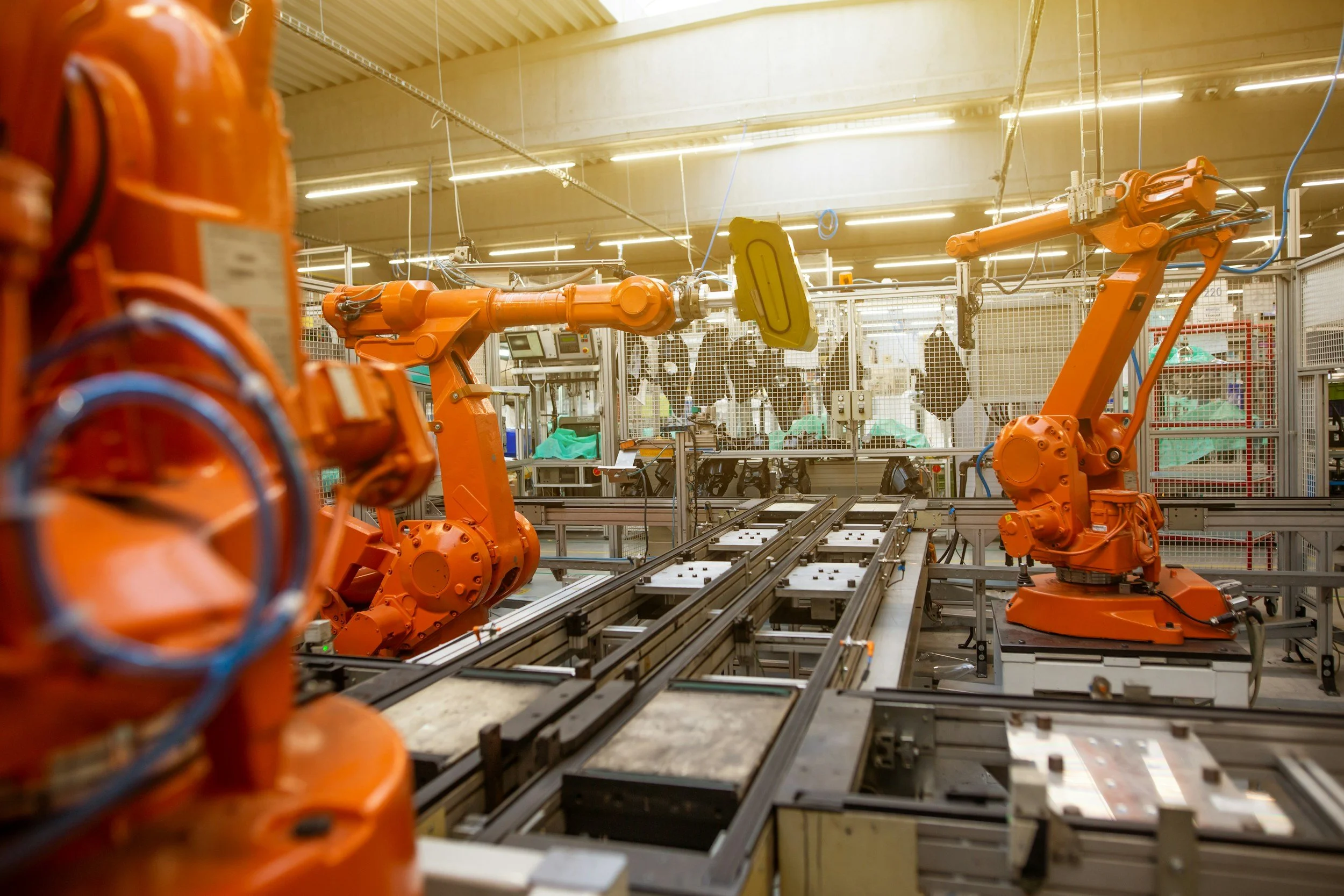
Examples of Qualifying Manufacturing Activities
Computer-aided design (CAD), 3D modeling, and 3D printing
Developing new products and improvements to existing products
Designing, fabricating, and evaluating prototypes
Designing new or improved fixtures, tooling, jigs, and production aids
Creating custom manufacturing equipment and automated production processes
Developing unique CNC or PLC programs
Experimenting with alternative materials for new or existing products
Designing new production processes and redesigning existing ones
"Lean" initiatives to increase throughput, reduce machine time, waste, and rejects
Creating new or improved physical packaging, filling, or sealing processes
Creating new software used in production processes
Often, a large portion of wages paid to product and manufacturing engineers, CNC programmers, machinists, and quality personnel will qualify as QREs.
Common Misconceptions
"My company isn't a research company."
"We don't have a lab."
"We only improve existing products."
"Our customers design the products we manufacture."
None of these disqualify a manufacturer. The credit is based on qualifying activities, not on having a formal research department. Additionally, process development can qualify in addition to product development.
How Much the R&D Tax Credit Is Worth
The federal R&D tax credit is one of the most lucrative tax incentives out there. Generally, it is worth between 5% and 10% of eligible QREs. The larger a company's investment in innovation and R&D, the larger its R&D credit.
Many states also offer their own R&D tax credit for QREs incurred within that state. The value of state R&D tax credits varies widely but generally ranges between 3% and 15% of eligible state-specific QREs.
In addition to current year R&D tax credits, companies can often claim R&D tax credits from up to three years in the past, providing an avenue to recoup previously paid taxes.
Own Your Facility? Cost Segregation May Apply Too
If your company owns the building it operates from, there's a second tax benefit to look at. Cost segregation accelerates the depreciation you can deduct on property you've purchased, constructed, or renovated, which lowers your tax liability in the early years of ownership. Manufacturing facilities are among the property types we study.
A study generally makes sense when you:
Have spent roughly $1M or more on the facility
Are profitable and owe income tax
Expect to hold the property for at least 3 years
Studies can be done on a facility you just bought or built, and on one you've owned for years. The process starts with a free estimate, so you know what's on the table before you commit to anything.
How Firestone Helps Manufacturers
Many manufacturers forgo the R&D credit because of misconceptions: that groundbreaking new products are required to qualify, or that only large-scale, high-tech operations are eligible. Firestone specializes in cutting through that confusion, using a no-risk, three-step process (Investigate, Calculate, Document) tailored to how you run your business.
Read about our process →
Working with your CPA
Manufacturing clients often have established accounting relationships, but the technical R&D study is specialized work most CPA firms don't perform in-house. Firestone works alongside your existing tax advisor to identify opportunities and complete the documentation, so you remain the trusted advisor. We don't provide tax preparation, assurance, or accounting services, so there's never any overlap with your core work.
Learn About Our CPA Partnership Program →
-
Yes. Process improvements, tooling design, automation, and prototyping commonly qualify.
-
Yes, including "lean" initiatives aimed at reducing waste or increasing throughput.
-
Often, yes. A large share of engineering, CNC programming, and quality personnel wages can qualify as QREs.
-
Yes. Company size doesn't determine eligibility, qualifying activity does.
-
If you own your facility, possibly. Manufacturing facilities are among the properties cost segregation covers, and the free estimate shows whether a study is worth pursuing.